
Champions League Betting Guide: European Football Wagering Tips
 Available in US
The UEFA Champions League represents the pinnacle of European club football, bringing together elite teams from across the continent in a format that creates distinct betting dynamics. Unlike domestic league betting where you see teams face the same opponents twice per season, Champions League matches often feature unfamiliar pairings across different football cultures — Spanish possession against German pressing, Italian defence against English physicality. This diversity creates both opportunities and challenges for bettors: less historical data for specific matchups but potential inefficiencies where bookmakers struggle to price cross-league encounters accurately.
The competition’s structure changed significantly from 2024-25, replacing traditional group stages with a single 36-team league phase followed by knockout playoffs and rounds. This format shift affects betting approaches — more matches per team in the league phase, more variables in qualification scenarios, and different dynamics when teams know exactly what results they need. Understanding these structural elements separates informed Champions League bettors from those applying generic football betting approaches to a unique competition.
Champions League Format and Betting Implications
The new format features 36 teams competing in a single league table during the initial phase, with each team playing eight matches against eight different opponents. The top eight automatically qualify for the Round of 16; teams finishing 9th-24th enter knockout playoffs; teams finishing 25th-36th are eliminated entirely from European competition.
League phase dynamics create betting considerations absent from traditional group formats. With more matches determining final positions, individual results carry different weight than the old “must-win group deciders.” However, as the phase progresses, teams’ qualification scenarios become clearer, creating motivation differences. A team safely in the top eight might rotate heavily in their final matches; a team needing results will field full strength.
Knockout phase intensity exceeds domestic football. Two-legged ties with aggregate scoring create unique tactical approaches — teams playing cautiously away with intentions to win at home, managers using away goals (if applicable in future formats) strategically, and second-leg dramas when ties are poised. Single-match knockouts in later rounds add further unpredictability.
Elite competition concentration means weaker matches are rarer than in domestic leagues. Even “smaller” Champions League clubs qualified by winning domestic leagues or strong coefficient performances. The gap between teams is narrower than Premier League’s top-versus-bottom matches, affecting how confidently you can identify betting value.
Market Coverage and Liquidity
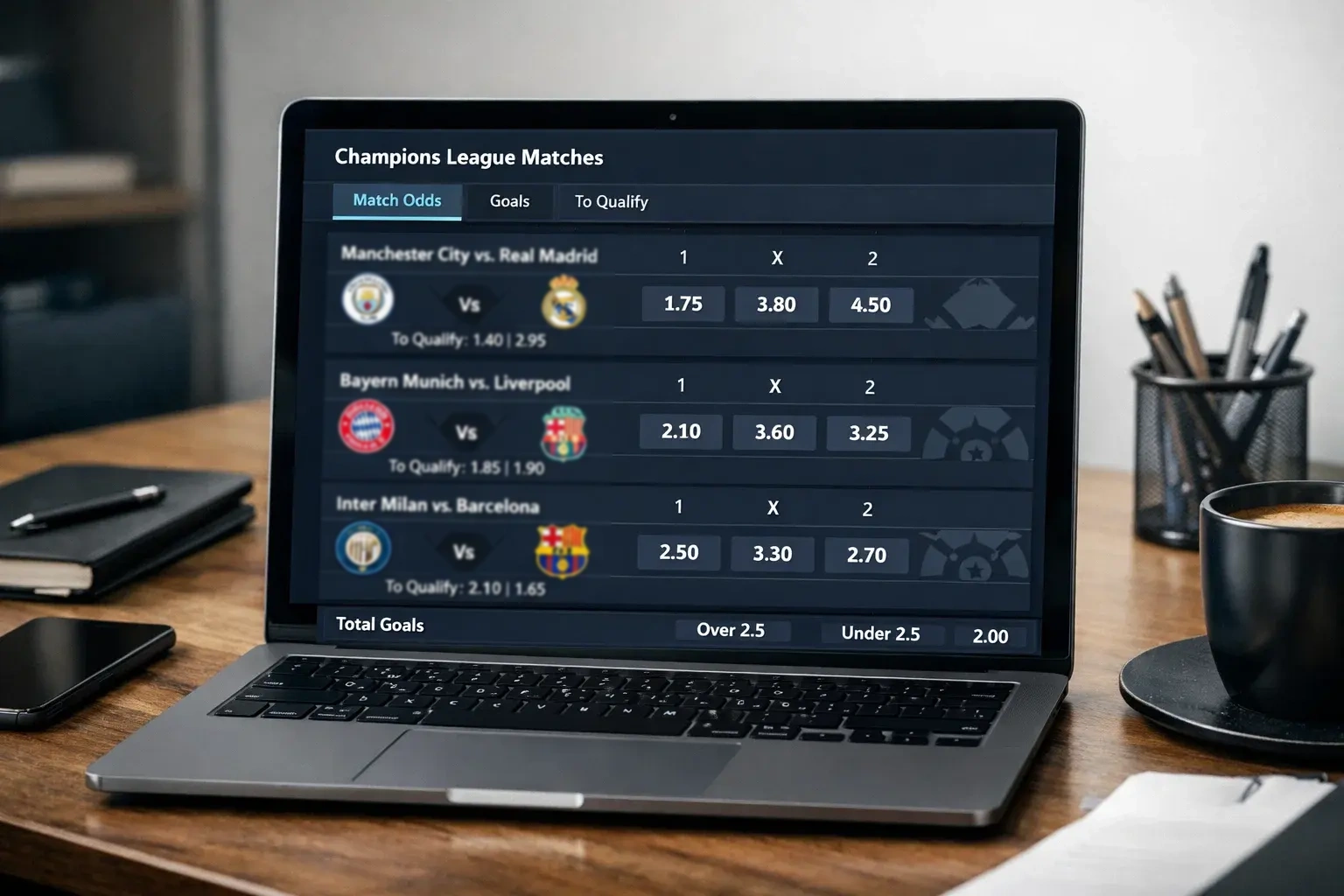
Champions League matches receive comprehensive bookmaker attention, typically offering 150-200+ markets per fixture — approaching Premier League depth.
Match winner markets function as in domestic football but with European football’s lower draw rate partially reflected. Champions League knockout matches historically show higher decisive result rates than league football, though this varies by round and matchup.
Goals markets deserve particular attention. Champions League league phase matches often produce more goals than domestic equivalents — elite attacking talents, potentially unfamiliar defensive matchups, and open football between clubs from attacking traditions. Historical averages suggest 2.8-3.1 goals per match, making over 2.5 goals pricing important to evaluate.
Qualification markets offer league phase betting beyond individual matches. You can bet on teams to finish top eight (automatic qualification), to finish 9th-24th (playoff qualification), or to be eliminated. These markets adjust throughout the league phase as results accumulate.
Outright markets (competition winner, to reach semi-finals, top goalscorer) provide season-long betting opportunities. Pre-competition outrights offer highest potential returns but maximum uncertainty; waiting until knockout stages clarifies the field but shortens odds on likely winners.
Player markets cover goalscorer betting, shots, cards, and various propositions. With elite players concentrated in the competition, individual performance betting attracts significant interest and liquidity.
League Phase Betting Strategies
The league phase format creates specific strategic considerations.
Early matches feature the least predictable outcomes. Teams are adjusting to new opponents, often from unfamiliar leagues with different styles. Bookmakers pricing these matches face similar uncertainty, potentially creating value in both directions.
Mid-phase clarity emerges as teams establish their positions in the table. Strong performers reveal themselves; struggles become apparent. Form data accumulates, improving prediction accuracy. This period often offers the best balance between information availability and remaining betting opportunities.
Late phase motivation analysis becomes critical. Teams with qualification secured may prioritise domestic competitions, rotating squads. Teams needing specific results face must-win pressure that affects performance — sometimes positively (extra motivation), sometimes negatively (tension, forcing play). Analysing what each team needs, and how they typically respond to pressure, informs late-phase betting.
Coefficient implications occasionally affect team priorities. Teams from smaller leagues depend heavily on their results for their association’s future Champions League allocations. This can increase motivation beyond the immediate match stakes.
Knockout Phase Considerations
Two-legged knockout ties require different betting approaches than single matches.
Home/away leg dynamics shape tactical approaches. Teams often approach away legs cautiously, accepting draws or narrow defeats they believe they can overturn at home. First-leg unders and draw probabilities can exceed what single-match analysis suggests.
Second-leg volatility increases significantly when aggregate scores are tight. Teams chasing the tie take risks that produce goals (both for and against). Backing goals in second legs of close ties has historical support, though markets generally price this tendency.
Aggregate result markets let you bet on tie outcomes rather than individual legs. If your analysis concerns overall qualification rather than specific match results, aggregate betting expresses this view directly.
Timing between legs — typically one week — allows significant news development. Injuries, suspensions, and form changes between legs can shift value. Waiting for team news before second-leg betting often reveals information the market hasn’t fully incorporated.
Historical Patterns and Trends
Champions League historical data reveals patterns worth considering, though none guarantee future results.
Favourites advance more reliably in knockouts than in domestic leagues. Elite clubs with Champions League experience navigate pressure situations better than knockout newcomers. Backing big names in tight aggregate situations has historical support.
Home advantage matters but varies by competition phase. Group/league phase home advantage exists but at lower rates than domestic football. Knockout home legs show stronger home advantage, particularly when fans create intense atmospheres.
Goals increase in knockout rounds as stakes rise and teams must push for results. Quarter-final and semi-final ties particularly tend toward drama and goals. The final often disappoints goal expectations due to tension — the biggest match produces cautious football.
Previous Champions League form correlates with future success more than domestic form alone. Teams with strong European pedigree consistently outperform knockout newcomers, even when domestic form suggests otherwise.
Common Champions League Betting Mistakes
Overvaluing domestic form assumes Premier League performances translate directly to European ties. Different competition intensity, tactical matchups, and mental demands mean domestic leaders sometimes struggle in Europe while “underdogs” with European experience thrive.
Ignoring fixture congestion affects Champions League performance significantly. Teams competing in domestic leagues, domestic cups, and Europe face scheduling demands that weaker squads cannot manage. Checking fixture sequences before betting reveals when fatigue might affect performance.
Assuming goals based on team names overlooks tactical reality. Barcelona versus Bayern Munich sounds like a goal-fest, but elite teams often cancel each other out tactically. Analysing how specific matchups interact matters more than assuming star power produces entertainment.
Backing accumulators across matchdays amplifies the competition’s unpredictability. Champions League upsets are frequent enough that multi-match accumulators face long odds of survival. Single-match focus typically produces better risk-adjusted returns.
Chasing qualification scenarios late in league phases can mislead. Complex tiebreaker scenarios make exact qualification calculations difficult; bookmakers have sophisticated models handling these complications. Your edge rarely lies in out-calculating qualification mathematics.
Bookmaker Approach to Champions League
Bookmakers treat Champions League matches with particular attention given their profile and betting volumes.
Margins are competitive — comparable to top domestic leagues rather than the wider margins on smaller competitions. The liquidity and attention warrant tight pricing.
Odds movement is significant between match announcements and kick-off. Team news, travel reports, and sharp money flow cause notable price changes. Timing your bets based on information availability affects expected value.
Promotional activity peaks around Champions League matchdays. Enhanced odds, accumulator boosts, and free bet offers concentrate on Europe’s premier competition. Evaluating promotional value alongside standard market pricing maximises returns.
In-play coverage is comprehensive for all Champions League matches, with deep market availability and high liquidity enabling live betting strategies that might struggle in smaller competitions.
Cross-League Analysis Approaches
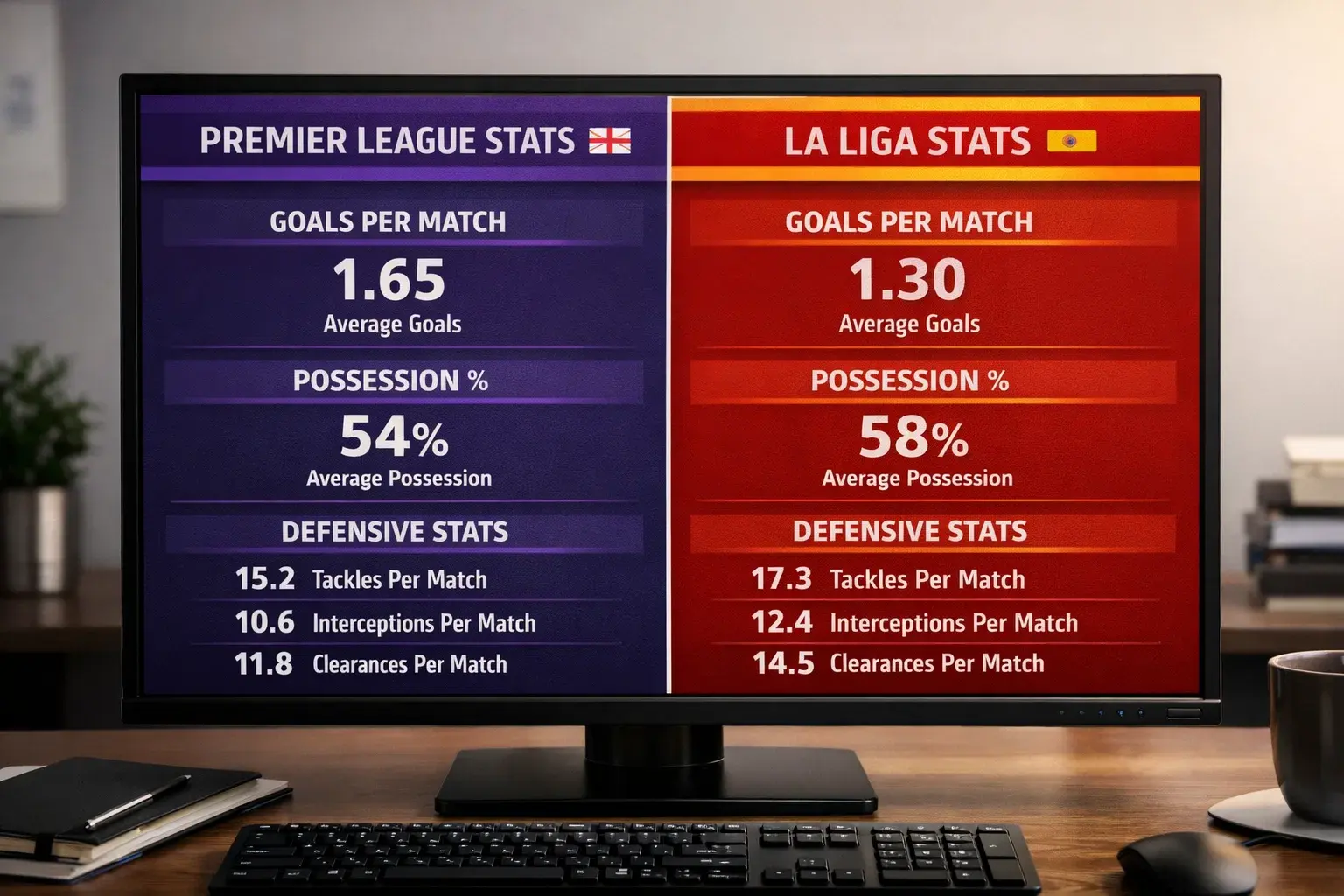
Champions League betting requires comparing teams from different domestic contexts — a skill distinct from single-league analysis.
Playing style matchups matter more than aggregate quality. A high-pressing Bundesliga side might struggle against a patient possession team from La Liga, even if coefficient rankings suggest otherwise. Analysing how specific tactical approaches interact produces better predictions than simply comparing league standings.
Physical and tempo differences between leagues affect European encounters. Premier League physicality can overwhelm technically superior but lighter opponents. Spanish and Italian tactical discipline can frustrate direct, aggressive teams. German intensity can disrupt carefully constructed game plans. Considering these stylistic clashes improves matchup analysis.
Travel and scheduling factors impact performance measurably. Eastern European teams travelling to Western Europe face different burdens than local rivalries. Teams with Saturday domestic matches before Tuesday Champions League fixtures face tighter recovery windows. These factors don’t appear in statistical models but affect real performance.
Coefficient familiarity with Champions League football matters. Teams from top-five leagues with consistent European participation understand knockout pressure differently than clubs making rare appearances. This experience gap often explains results that statistical models don’t predict.
Building a Champions League Betting Approach
Develop systematic methods rather than reactive match-by-match punting.
Specialise in specific phases if full-tournament coverage overwhelms. Some bettors focus exclusively on knockout rounds where stakes and patterns are clearest. Others prefer league phase volume where more matches provide more opportunities.
Track cross-league patterns over multiple seasons. Which league’s teams consistently over or underperform European expectations? Do certain matchup types (pressing vs possession, physical vs technical) produce predictable outcomes? Building personal databases enables insights beyond generic analysis.
Evaluate team news impact carefully. Champions League squads are deeper than domestic equivalents; missing one player rarely transforms outcomes as dramatically as in smaller clubs. However, specific absences (elite goalkeepers, midfield orchestrators) can shift matches significantly.
Compare domestic and European form separately. Teams occasionally compartmentalise competitions — struggling domestically while thriving in Europe, or dominating their league while disappointing continentally. Both forms matter, but they don’t always correlate.
The Champions League combines elite football quality with structural complexity that creates distinct betting dynamics. Understanding the format’s implications, recognising when motivation and pressure affect performances, and appreciating the differences between European and domestic football all contribute to more informed Champions League betting.
