
Football Bookmaker Bonuses: Complete Guide to Offers
 Available in US
Bookmaker bonuses are simultaneously the most advertised and least understood aspect of football betting. Scroll through any sports website and you’ll see banners screaming about £50 free bets, 100% deposit matches, and enhanced odds that seem too good to be true. Here’s the uncomfortable reality: they usually are too good to be true, at least in the way most people interpret them. The headline number bears little resemblance to actual value after you wade through terms and conditions written to maximize bookmaker profit while technically delivering on promotional promises.
I’ve claimed dozens of bonuses over the years, from straightforward welcome offers that provided genuine value to byzantine promotions with requirements so restrictive they were essentially worthless. The experience taught me that bonuses fall into clear categories—those designed to provide real customer value, those designed purely as marketing to get you in the door, and those deliberately structured to trap inexperienced bettors into generating more revenue for the bookmaker than the bonus costs them. Understanding which category you’re dealing with before depositing money saves frustration and protects your bankroll from preventable mistakes.
The fundamental economics of bonuses are straightforward once you strip away marketing language. Bookmakers offer bonuses as customer acquisition and retention tools. They’re willing to accept short-term losses on bonuses if they convert enough users into long-term profitable customers. Your goal should be extracting maximum value from bonuses while minimizing the betting you wouldn’t otherwise do just to unlock promotional terms. This requires understanding bonus mechanics thoroughly rather than getting seduced by big numbers.
This guide breaks down major bonus types football bookmakers offer, explaining how they actually work, where they provide genuine value, and where they’re designed to benefit the bookmaker more than you. We’ll cover welcome bonuses that greet new customers, free bet mechanics that confuse most people, enhanced odds promotions that create temporary value, and ongoing promotions for existing customers. The aim is making you a sophisticated bonus consumer rather than someone getting exploited by offers they don’t fully understand.
Welcome Bonuses: First Impressions and Hidden Details
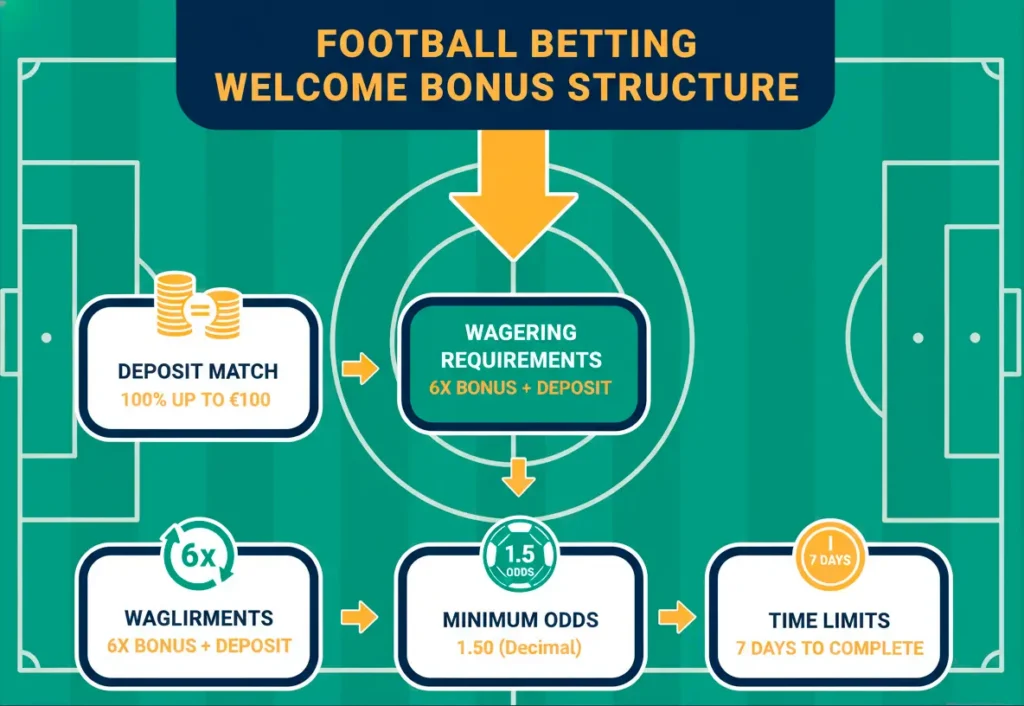
Welcome bonuses represent bookmakers’ most aggressive customer acquisition tool. They’re throwing significant money at converting you from prospect to customer, which means these bonuses often provide the best value you’ll ever get from a particular bookmaker. It also means the terms are usually complex, designed to sound generous while actually being restrictive in ways casual readers miss.
The most common welcome bonus format is the deposit match—bookmaker matches your first deposit up to specified amount. Deposit £100, get £100 bonus credit, now you have £200 to bet with. Sounds straightforward until you read the terms. The bonus credit is typically locked and only releases as you meet wagering requirements. You might need to bet through the combined deposit and bonus amount multiple times at minimum odds before you can withdraw anything.
Wagering requirements kill most welcome bonus value for bettors who don’t read carefully. A £100 bonus with 6x wagering requirements means betting £600 before you can withdraw. If you’re betting at markets with typical 5-6% bookmaker margins, that £600 of required betting costs you approximately £30-36 in expected losses. Your £100 bonus actually delivers £64-70 in real value after accounting for the cost of unlocking it. Still potentially worthwhile, but nowhere near the headline number.
Minimum odds requirements force you into betting selections you wouldn’t choose naturally. A common requirement is minimum odds of 1.5 or 2.0 for bets to count toward wagering. This pushes you away from betting favorites at short odds or using sophisticated betting strategies toward backing outcomes at odds ranges that might not offer value. You’re essentially letting promotional terms dictate betting strategy rather than betting based on where you identify value.
Time limits create artificial urgency to bet quickly rather than waiting for good opportunities. A bonus might expire seven days after claiming, giving you one week to meet all wagering requirements. If quality betting opportunities don’t present themselves during that window, you’re forced choosing between letting the bonus expire unused or making suboptimal bets just to satisfy terms. Neither option is ideal, though letting it expire is usually better than forcing poor bets.
The best welcome bonuses have minimal restrictions—reasonable wagering requirements around 1-3x, moderate minimum odds around 1.5, and comfortable time windows of 30 days. These bonuses respect that you’re a customer rather than treating you as mark to exploit. Unfortunately, competitive pressure drives bookmakers toward more restrictive terms, so truly generous welcome bonuses are increasingly rare.
Evaluating welcome bonus value requires calculating expected cost to unlock it. Take the bonus amount, multiply by wagering requirement to get total required betting, then multiply that by typical bookmaker margin to estimate cost. A £50 bonus with 5x wagering at 6% margin costs approximately £15 to unlock (£250 total betting × 0.06 margin). Your £50 bonus delivers £35 in real value. If terms are even more restrictive or margins higher, value decreases further.
Some welcome bonuses offer free bets rather than bonus credit. These work differently and usually provide better value because free bets have fewer restrictions once granted. The requirements to earn free bets might still be significant—deposit £20 and bet £20 at minimum odds 1.5 to get £40 in free bets—but once earned, the free bets function independently without additional wagering requirements.
Free Bet Mechanics: Understanding Stake Returns
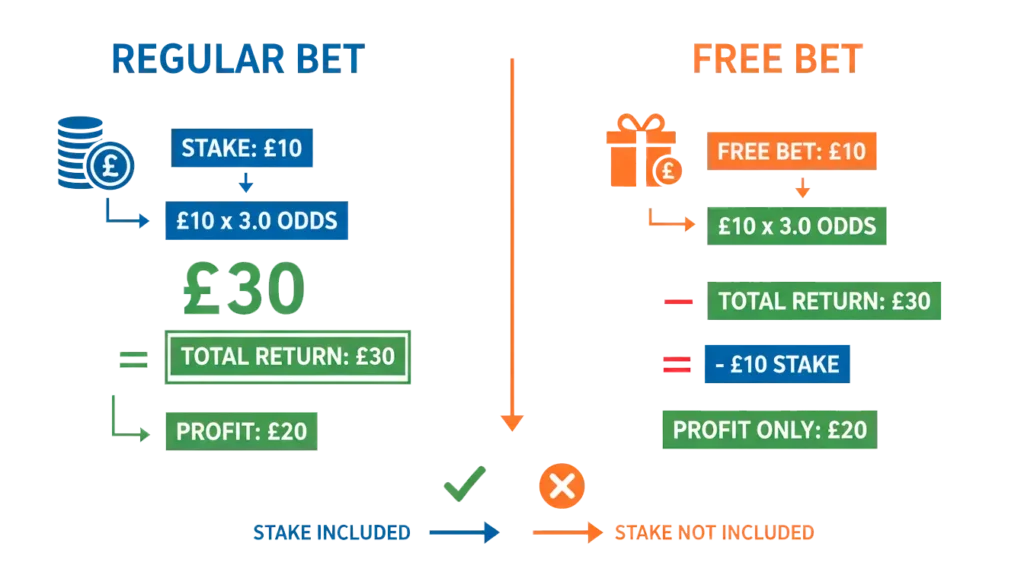
Free bet offers confuse more people than any other promotion because “free” doesn’t mean what most people intuitively expect. The critical detail is that most free bets return profit only, not the stake. This stake-not-returned structure fundamentally changes their value and optimal usage compared to cash bets.
When you place a £10 cash bet at odds of 3.0 and win, you receive £30 total—your £10 stake plus £20 profit. When you place a £10 free bet at odds of 3.0 and win, you receive only £20—the profit portion. The £10 free bet stake is not returned. This means a £10 free bet is actually worth approximately £7-8 in expected value, not £10.
The stake-not-returned structure is why using free bets on longer odds provides better value than using them on short odds. A £10 free bet on odds of 5.0 returns £40 profit if successful, capturing 80% of nominal free bet value. The same free bet on odds of 1.5 returns only £5 profit, capturing just 50% of nominal value. The higher the odds, the less the stake-not-returned issue matters relative to profit potential.
Some bookmakers offer “stake returned” free bets that work like cash bets, returning both stake and profit. These are genuinely worth face value and should be prioritized when available. Unfortunately, they’re less common because bookmakers recognize stake-returned structure is significantly more expensive than stake-not-returned. Always check whether free bets return stakes when evaluating promotional value.
Free bet splitting allows extracting more value from stake-not-returned offers. Instead of using one £50 free bet, request five £10 free bets if possible. This allows spreading risk across multiple selections, reducing variance and potentially capturing higher total value. Not all bookmakers allow splitting, but those that do enable better value extraction strategies.
Converting free bets into guaranteed profit through matched betting eliminates risk entirely. You back an outcome with free bet at bookmaker, then lay same outcome at exchange. Regardless of result, you lock profit equal to approximately 70-80% of free bet value minus exchange commission. This removes gambling element, converting promotional value into arbitrage profit.
Free bet terms often include additional restrictions beyond stake-not-returned structure. Common restrictions include minimum odds requirements (typically 1.5-2.0), single bet only (no accumulators), specific markets only (match result but not handicaps), and short expiration windows (7-14 days). Each restriction reduces practical value below face value.
Understanding when free bets provide genuine value versus when they’re marketing gimmicks requires calculating expected value properly. A £20 free bet with 2.0 minimum odds and stake-not-returned structure provides approximately £10-12 expected value for skilled bettors. The same offer restricted to 4.0 minimum odds on specific markets might provide only £5-8 expected value despite identical face value.
Enhanced Odds: Temporary Value Windows

Enhanced odds promotions temporarily boost odds on specific markets above true probabilities, creating genuine value opportunities. These promotions usually apply to high-profile matches or popular betting markets, designed to attract attention and generate betting volume. Unlike bonuses requiring complex wagering, enhanced odds provide straightforward value—if the boost is significant enough.
New customer enhanced odds often provide extreme value to attract sign-ups. A typical offer might boost Manchester United to beat Liverpool from 2.5 to 20.0 for new customers, maximum stake £10. Even accounting for United’s actual winning probability around 40%, the enhanced odds provide massive positive expected value. The limitation is these offers are one-time only and restricted to small stakes.
Existing customer enhanced odds are less generous but still valuable. A bookmaker might boost Premier League match odds by 20% every Saturday, or offer one enhanced accumulator per week. While boosts are smaller than new customer offers, they provide consistent value over time. Smart bettors incorporate these promotions into regular betting patterns.
Calculating whether enhanced odds provide value requires comparing boosted price to fair odds. If Manchester City’s true odds are 1.4 and bookmaker offers 1.6, that 14% boost provides clear value. If true odds are 1.5 and boost is to 1.55, the 3% enhancement barely covers bookmaker margin. Focus on substantial boosts rather than marginal improvements.
Maximum stake limits prevent enhanced odds from becoming major profit centers. Most enhanced odds cap stakes at £10-50, limiting potential profit regardless of how valuable the boost. This prevents professional bettors from exploiting promotions heavily while still providing value for recreational players. Accept the limits rather than getting frustrated—small edges compound over time.
Enhanced odds often come with payment restrictions. Winnings might be paid as free bets rather than cash, significantly reducing real value. A £50 win paid in free bets is worth approximately £35-40 in expected value, not £50 cash. Always check whether enhanced odds winnings are paid as cash or free bets before calculating value.
Timing enhanced odds optimally requires monitoring odds movements. If enhanced odds are available all day but regular odds are drifting, waiting could provide even better value. Conversely, if odds are shortening, claiming enhanced odds early locks in value before it disappears. Track both enhanced and regular odds to optimize timing.
Accumulator Insurance and Profit Boosts
Accumulator promotions target recreational bettors who love parlays despite their poor expected value. Insurance offers refund stakes if one selection loses, while profit boosts increase winnings by specified percentages. Both promotions can provide value, but understanding their mechanics is essential to avoid the traps they’re designed around.
Accumulator insurance typically refunds stakes as free bets if exactly one selection loses. This sounds generous until you calculate how it changes expected value. A five-fold accumulator already has approximately 3% chance of losing by exactly one selection. Insurance increases expected value marginally, but not enough to overcome accumulators’ inherently poor value.
The psychology of accumulator insurance encourages worse betting decisions. Knowing stakes are “protected” if one leg loses, bettors add marginal selections they wouldn’t include otherwise. That fifth or sixth selection added for insurance protection usually reduces expected value more than insurance adds back. The protection creates false confidence leading to larger stakes and more legs.
Profit boosts on accumulators scale with number of selections—10% for trebles, 50% for six-folds, 100% for ten-folds. While boosts sound impressive, they’re applying to bets with massive built-in bookmaker edge. A 50% boost on a six-fold with 30% bookmaker margin still leaves you betting into significant negative expected value.
Extracting value from accumulator promotions requires extreme selectivity. Only use insurance on accumulators you’d place anyway, never let insurance influence selection choices. Focus profit boosts on shorter accumulators (trebles and four-folds) where bookmaker edge is manageable. Avoid getting seduced by massive boosts on eight-fold or larger accumulators with prohibitive margins.
Some sophisticated bettors use accumulator promotions for arbitrage opportunities. They identify selections where accumulator insurance combined with exchange laying creates guaranteed profit regardless of outcomes. This requires significant calculation and quick execution but converts promotions designed for recreational players into professional profit opportunities.
Reload Bonuses and VIP Programs
Ongoing promotions for existing customers vary wildly in value. Some bookmakers offer consistent reload bonuses and cashback programs providing steady value. Others provide only token promotions designed to maintain engagement without meaningful rewards. Understanding which category your bookmaker falls into determines whether maintaining active account is worthwhile.
Weekly or monthly reload bonuses typically offer 10-50% deposit matches with wagering requirements. A 25% match up to £100 with 5x wagering provides approximately £15-20 expected value for regular bettors. While not massive, these bonuses compound over time. Bookmakers offering regular reload bonuses deserve account priority over those with only sporadic promotions.
Cashback programs return percentage of losses over specified periods. A 10% weekly cashback on net losses sounds good until you realize it only triggers when you’re losing. If you’re a winning bettor, cashback never activates. If you’re losing consistently, 10% cashback doesn’t solve the fundamental problem. Cashback provides insurance against bad runs rather than genuine value for skilled bettors.
VIP programs promise exclusive benefits for high-volume bettors. Benefits typically include higher bonus percentages, dedicated account managers, exclusive promotions, and hospitality perks. The challenge is generating enough volume to reach VIP tiers usually requires accepting worse odds than available elsewhere. The VIP benefits rarely compensate for inferior pricing.
Evaluating whether VIP status provides value requires honest assessment. If you’re betting £10,000 monthly at 5% margins instead of 3% margins elsewhere to maintain VIP status, you’re paying £200 monthly in worse odds. Unless VIP benefits exceed £200 monthly value, you’re better off betting at better prices without VIP perks.
The best ongoing promotional value comes from bookmakers competing for market share rather than established operators. New entrants offer aggressive promotions trying to build customer base. Established bookmakers in competitive markets run regular promotions to prevent customer churn. Monopolistic or dominant bookmakers offer minimal ongoing value knowing customers have few alternatives.
Hidden Costs and Bonus Traps
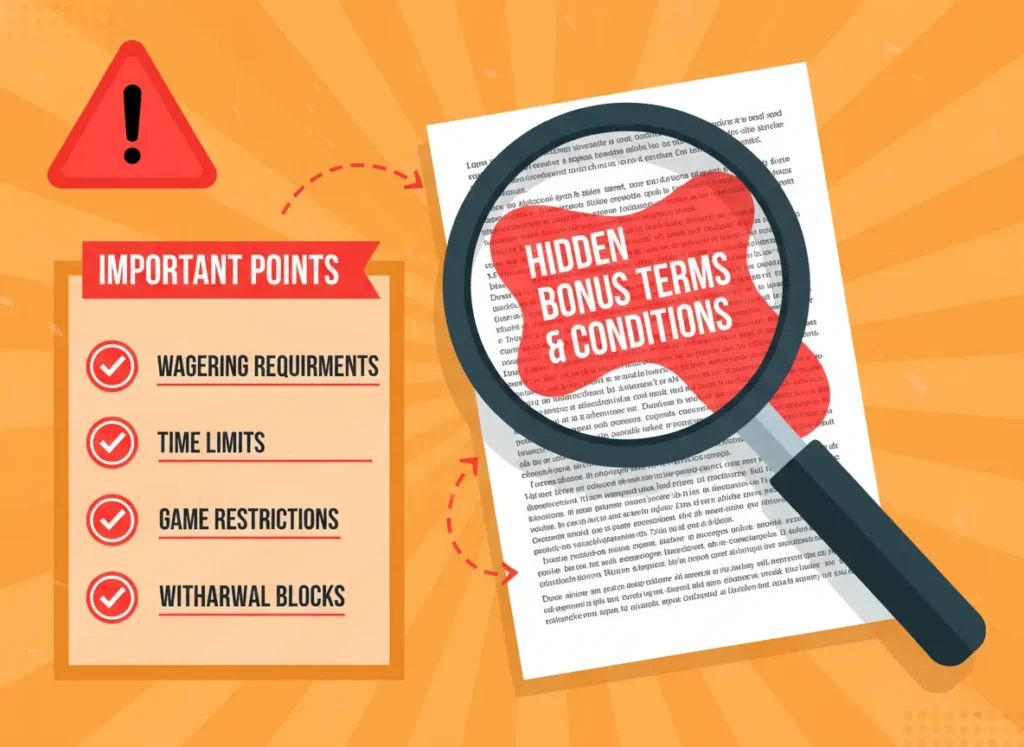
Every bonus comes with hidden costs beyond obvious wagering requirements. These indirect costs often exceed bonus value, turning seemingly profitable promotions into losing propositions. Sophisticated bonus evaluation accounts for all costs, not just the headline terms.
Identity verification delays prevent immediate bonus claiming. You deposit funds excited about a welcome bonus, only to discover verification takes 72 hours while bonus must be claimed within 24 hours of deposit. By the time verification completes, bonus opportunity has passed. Always verify accounts before depositing when claiming time-sensitive bonuses.
Payment method restrictions limit how you can deposit and withdraw. Some bonuses exclude e-wallet deposits, forcing bank transfers with higher fees and longer processing times. Others require keeping funds in account longer than necessary because withdrawal methods are restricted. These friction costs reduce real bonus value.
Currency conversion costs eat into bonus value for international betting. A €100 bonus sounds identical to £100 bonus until you account for conversion costs. Deposit conversion, betting in different currency, then withdrawal conversion can cost 3-5% in total fees. That €100 bonus might deliver only £70-75 in real value after currency costs.
Time pressure from expiration dates forces betting when opportunities don’t justify it. If you have three days left to meet wagering requirements but no quality betting opportunities present themselves, you’re choosing between losing the bonus entirely or making questionable bets to unlock it. The pressure to use bonuses creates rushed decisions that reduce expected value.
Restricting withdrawal methods creates friction in moving money. Some bonuses require withdrawing via same method as deposit, preventing you from using faster withdrawal options. Others impose minimum withdrawal amounts or maximum withdrawal frequencies that delay accessing your money. While not direct costs, these restrictions reduce operational flexibility.
Account restrictions following bonus abuse represent the ultimate hidden cost. Bookmakers track promotional usage patterns and restrict accounts showing signs of bonus hunting without generating sufficient margin revenue. If you’re exploiting every promotion aggressively, expect restrictions limiting maximum stakes, removing promotional access, or even closing your account. This makes aggressive bonus exploitation unsustainable long-term strategy.
Opportunity cost from betting at inferior odds to claim bonus erodes value. If you’re betting at Bookmaker A with 6% margins to unlock bonus instead of betting same matches at Bookmaker B with 3% margins, the 3% odds difference costs more than the bonus provides unless the bonus value significantly exceeds that gap. Always compare cost of betting to unlock bonus versus betting elsewhere at better prices.
Bonus Hunting Strategies: Systematic Exploitation
Sophisticated bettors approach bonuses systematically rather than randomly claiming whatever looks good. Bonus hunting as deliberate strategy requires planning, discipline, and understanding which opportunities provide real value versus which are traps.
New customer welcome bonuses across multiple bookmakers provide concentrated value if you’ve never used those bookmakers. Opening accounts at 10-15 bookmakers and claiming welcome bonuses generates several hundred pounds profit if executed properly. The limitation is you’re a new customer only once at each bookmaker, so this strategy is finite.
Prioritizing bookmakers by welcome bonus quality maximizes early returns. Sharp bookmakers like Pinnacle don’t offer bonuses but provide best long-term value. Mainstream bookmakers offer reasonable welcome bonuses worth claiming. Recreational bookmakers offer aggressive bonuses but have terrible odds and restrict winners quickly. The strategy is claiming bonuses across all categories while recognizing long-term utility differs.
Matched betting techniques convert bonuses into guaranteed profit through placing opposite positions. You back an outcome with bonus funds at bookmaker and lay same outcome at betting exchange. Regardless of result, you lock profit equal to approximately 80% of bonus value minus exchange commission. This removes gambling element entirely, converting bonuses into arbitrage opportunities.
Reading terms carefully prevents disqualifying mistakes. Many bettors claim bonuses without reading terms, then discover bets didn’t count toward requirements because they violated minimum odds or used wrong markets. Five minutes reading terms saves discovering after hours of betting that none of it qualified.
Maintaining recreational appearances extends how long you can exploit bonuses before restrictions. Mix in some accumulator bets recreational bettors love, bet on popular matches and markets, avoid patterns that scream “bonus hunter” like only betting when promotions are active. The goal is looking like casual bettor who happens to use promotions rather than professional systematically exploiting them.
Tracking promotional value across bookmakers reveals which platforms offer best ongoing value after welcome bonuses exhaust. Some bookmakers run consistent weekly promotions providing steady value. Others offer only occasional promotions barely worth attention. Focus ongoing activity at bookmakers with best promotional ecosystems while maintaining accounts everywhere for line shopping.
Understanding when bonus exploitation stops being worthwhile prevents wasting time on low-value offers. A promotion offering £5 free bet requiring thirty minutes of work to unlock provides £6-7 per hour value after accounting for expected free bet value. That might be worthwhile when building initial bankroll but becomes poor time allocation once your betting operation scales up.
Making Strategic Bonus Decisions
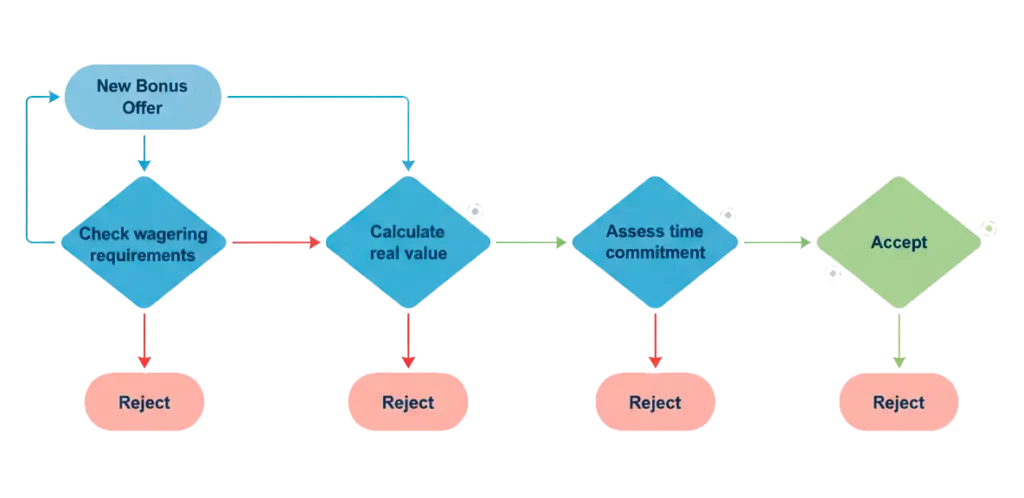
Not all bonuses are worth claiming even when they technically provide positive expected value. Strategic bonus evaluation considers opportunity costs, account longevity, and whether the bonus aligns with your overall betting approach.
Skip bonuses with terms so restrictive that unlocking them requires significant betting outside your natural strategy. If you focus on Asian handicap value betting but bonus requires standard match result betting at minimum odds 2.0, the forced strategy change costs more in reduced edge than the bonus provides. Stay focused on what you do well rather than chasing bonuses that pull you into suboptimal betting.
Avoid bonuses at bookmakers you’re unlikely to use long-term. If a bookmaker has terrible odds quality and features you dislike, claiming their bonus might provide short-term value but creates account history making them more likely to restrict you before you can extract significant value. Preserve new customer status at quality bookmakers for when you’re ready to use them seriously.
Evaluate bonus timing relative to your betting schedule and bankroll. A bonus expiring in seven days is worthless if you don’t have time to meet requirements within that window. A large bonus is less attractive if claiming it depletes your bankroll for better betting opportunities elsewhere. Timing bonus claims to match when you have attention and capital maximizes value.
Read reviews and community feedback about bookmaker payment reliability before depositing for bonuses. A generous bonus means nothing if the bookmaker invents reasons not to pay out or creates withdrawal delays and obstacles. Established bookmakers with solid reputations deserve priority even if bonuses are slightly less generous than sketchy operators offering aggressive promotions.
Calculate real expected value accounting for all restrictions rather than comparing headline numbers. A £50 bonus with 2x wagering at minimum odds 1.5 provides more real value than £100 bonus with 10x wagering at minimum odds 2.0, despite smaller headline number. The math determines value, not marketing copy.
Bonuses represent useful tools in comprehensive betting strategy but shouldn’t drive the strategy itself. Use bonuses that align with how you naturally bet while maintaining focus on core profitable activities—value betting, bankroll management, specialization, and continuous improvement. Bonuses provide supplementary value, not the foundation of sustainable betting success. Welcome to strategic bonus evaluation—now you can distinguish genuine opportunities from marketing dressed as generosity.
