
La Liga Betting: Strategies for Spanish Football Markets
 Available in US
Spanish football occupies a unique position in European betting markets. La Liga combines technical excellence with tactical sophistication, producing a style of play distinct from the Premier League’s physicality or the Bundesliga’s high tempo. The league has historically been dominated by Real Madrid and Barcelona — with Atletico Madrid occasionally disrupting the duopoly — creating a competitive structure where the top tier is genuinely elite while the rest compete for European places and survival. This predictability at the extremes coexists with genuine uncertainty in the middle, creating varied betting opportunities across different market types.
La Liga’s playing style emphasises possession, passing accuracy, and patient build-up rather than direct football. Teams keep the ball on the ground, prioritising technical ability over physical attributes. This stylistic consistency across the league affects goal patterns, match rhythms, and ultimately betting market behaviour differently than leagues with more varied approaches.
La Liga Statistical Profile
Understanding La Liga’s statistical characteristics enables more informed market selection.
Goals per match in La Liga typically average 2.5-2.7, slightly below the Premier League and notably below the Bundesliga. The technical, possession-based style means fewer chaotic goalmouth scrambles and more controlled attacking situations. Over 2.5 goals lands in approximately 47-50% of matches — lower than some European leagues but still presenting regular opportunities.
Over 1.5 goals hits more frequently, around 72% of matches, reflecting that while high-scoring games are less common, goalless draws are also relatively rare. The league’s attacking quality ensures most matches produce at least some goals.
Both Teams to Score occurs in approximately 50-52% of La Liga matches. Despite the league’s offensive reputation through its star players, defensive organisation is generally strong, and many matches see one team dominating without conceding. BTTS betting in La Liga requires careful match selection rather than blanket application.
Home advantage in La Liga has historically been significant but has declined in recent years, mirroring European trends. Home teams still win more often than away teams, but the gap has narrowed. Spanish clubs’ fan cultures create passionate atmospheres, but the technical nature of play reduces the physical intimidation factor that strengthens home advantage in other leagues.
Clean sheets are kept in roughly 28-30% of matches, indicating solid defensive standards across the league. Teams like Atletico Madrid built dynasties on defensive excellence, and this tactical sophistication has spread throughout La Liga.
Market Selection for La Liga
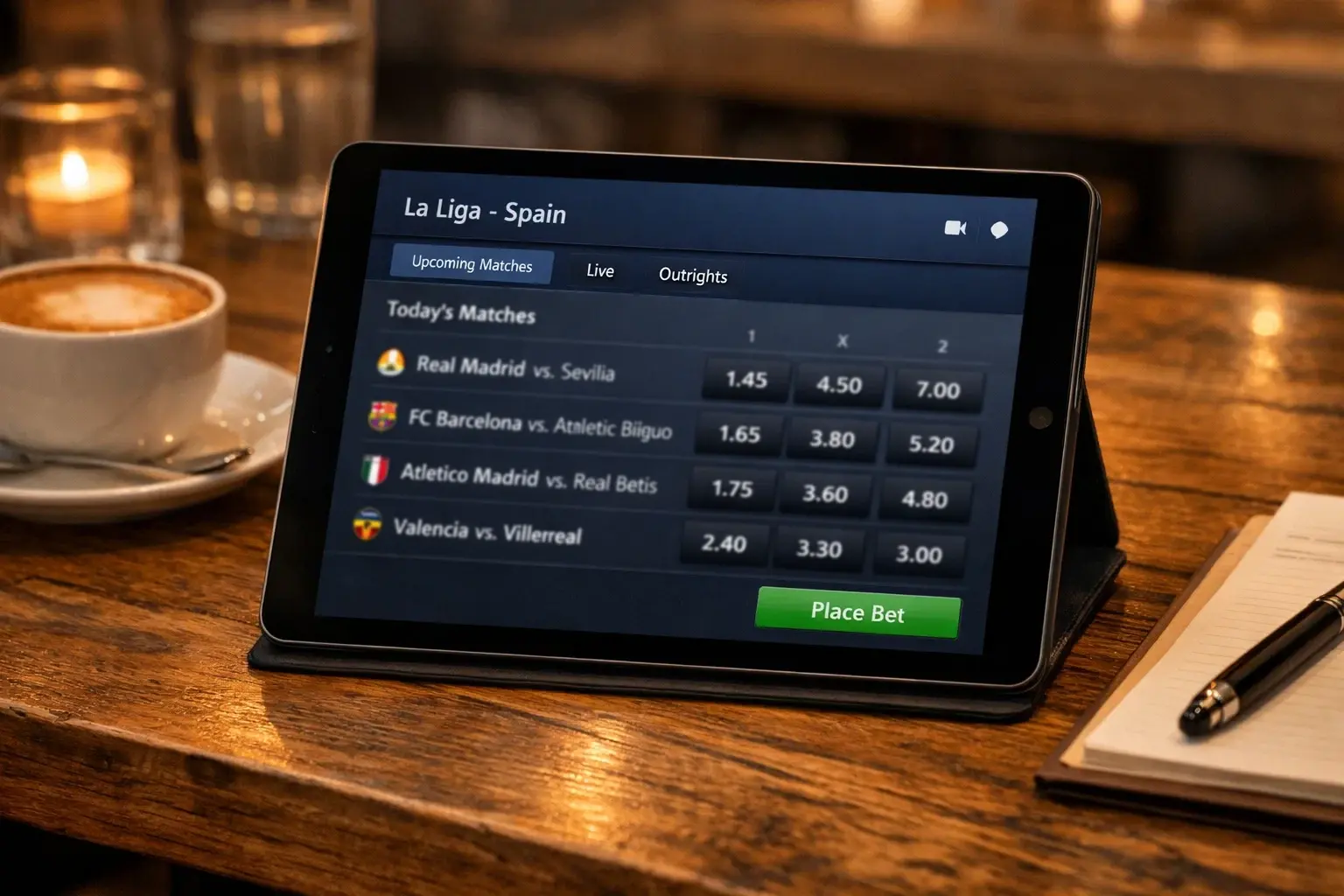
Different markets suit La Liga’s characteristics.
Match winner markets offer clear opportunities when backing the elite clubs against weaker opposition, but margins are tight. Real Madrid and Barcelona at home against bottom-half teams typically price around 1.15-1.25 — short odds requiring high confidence. Value more often exists in mid-table clashes where bookmaker pricing faces greater uncertainty.
Asian Handicap betting suits La Liga’s predictable quality gaps. When Barcelona faces a newly promoted side, handicaps of -1.5 or -2.0 become relevant discussions. The league’s technical style means elite teams can control matches comprehensively, covering larger handicaps more consistently than in more unpredictable leagues.
Under goals markets deserve consideration given La Liga’s controlled style. Tactical matches between evenly-matched sides frequently produce low-scoring affairs. Under 2.5 at odds of 1.80-2.00 can represent value in fixtures where bookmakers overestimate goal probability based on attacking reputations.
Draw markets warrant attention in specific contexts. La Liga produces approximately 25-27% draws — roughly league average but with specific fixture types producing higher rates. Matches between mid-table sides with similar quality often end level, as do tactical battles between defensively organised teams.
Correct score betting in La Liga favours lower-scoring predictions than in some leagues. The most common scorelines are 1-0, 2-1, 1-1, and 2-0, with 3-0+ results less frequent than in higher-scoring competitions.
El Clásico and Major Derby Betting
Spanish football’s derbies carry particular betting significance.
El Clásico (Real Madrid vs Barcelona) is the world’s most watched club fixture. Historically high-scoring and dramatic, these matches draw enormous betting volume. However, the intensity often produces tactical caution — recent Clásicos have trended lower-scoring as managerial stakes increase. The public perception of entertainment doesn’t always match betting reality.
Madrid Derby (Real Madrid vs Atletico Madrid) produces dramatically different patterns. Atletico’s defensive approach creates low-scoring encounters more often than casual observers expect. Under 2.5 goals has historically been a strong bet in these fixtures.
Seville Derby (Real Betis vs Sevilla) combines passionate atmosphere with genuine quality. These matches tend toward entertainment, with both teams to score hitting regularly.
Catalonia Derby (Barcelona vs Espanyol) historically favours Barcelona heavily, but Espanyol’s recent relegation and promotion cycles have disrupted patterns. Current form matters more than historical dominance.
Understanding derby-specific patterns rather than assuming generic “derby unpredictability” improves betting selection in these high-profile fixtures.
Seasonal Patterns and Timing
La Liga’s calendar creates distinct betting phases.
Early season (August-September) features adjustment periods. New signings integrate; promoted teams adapt to higher quality; managers experiment with formations. Betting during this phase requires accepting higher uncertainty or focusing on the most predictable fixtures (elite teams at home).
Autumn (October-December) typically provides the clearest form patterns. Squad roles settle; fitness peaks; managerial approaches crystallise. This period often offers the best value opportunities as genuine form emerges but bookmakers may lag in adjustments.
Winter break (late December/early January) is shorter than in Germany but still affects schedules. La Liga typically plays through Christmas with a brief pause around New Year. Post-break form can be unreliable for a matchday or two.
Spring title race and relegation battles (March-May) intensify as stakes clarify. The compressed table at both ends creates pressure situations that affect performance. Understanding what each team genuinely needs — and how they historically respond to pressure — informs late-season betting.
European competition impact significantly affects La Liga clubs in UEFA competitions. Real Madrid, Barcelona, and Atletico Madrid regularly progress deep into Champions League and Europa League, creating fixture congestion and squad rotation that affects domestic performance.
Bookmaker Coverage and Value
La Liga receives comprehensive bookmaker attention, though slightly less than the Premier League.
Market depth is extensive for top-tier fixtures (Real Madrid, Barcelona, Atletico) but can thin for matches involving smaller clubs. Player prop markets, for instance, may have limited coverage for Celta Vigo vs Getafe compared to an El Clásico.
Odds competitiveness varies by bookmaker and market. Sharp bookmakers price La Liga carefully; recreational bookmakers may offer value on less-followed fixtures where their pricing receives less scrutiny.
Live betting liquidity is strong for headline matches but can be limited for lower-profile fixtures. If you rely on in-play betting, verify liquidity before committing to strategies requiring quick execution.
Promotional attention peaks around major fixtures. El Clásico, Madrid Derby, and Spanish club Champions League matches attract enhanced odds, accumulator bonuses, and free bet offers worth monitoring.
Common La Liga Betting Mistakes
Overrating attacking reputations leads to overs bias. La Liga’s star attackers create expectation of goals, but the league’s tactical organisation often produces lower-scoring matches than neutral observers anticipate.
Ignoring mid-table complexity misses genuine value. The gap between 8th and 15th place is often minimal, creating genuinely uncertain matches that bookmakers struggle to price accurately. These fixtures often offer better value than the obvious elite-versus-minnow matches.
Assuming Barcelona and Real Madrid always cover ignores reality. Even dominant teams have off-days, particularly away from home against organised defences. Large handicaps (-2.0, -2.5) fail more often than their short odds suggest.
Neglecting promoted teams’ improvement curves misses opportunities. Newly promoted sides often start poorly against established opponents but improve significantly as they adapt. Backing them later in the season against teams with nothing to play for can offer value.
Data and Analysis Resources
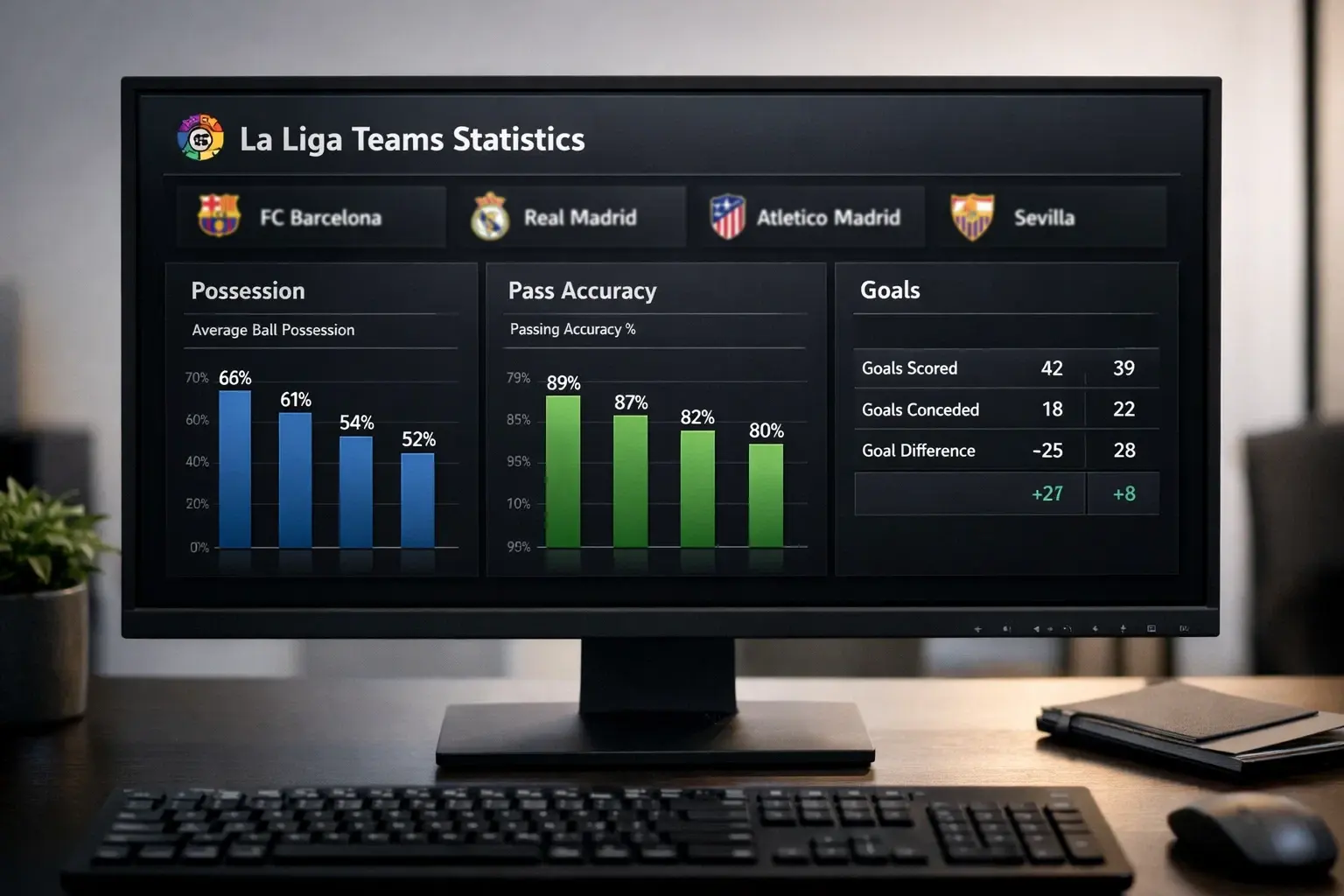
Comprehensive analysis improves La Liga betting outcomes.
Spanish sports media (Marca, AS, Sport, Mundo Deportivo) provide extensive La Liga coverage, though regional biases exist — Madrid-based outlets favour Real Madrid; Barcelona-based outlets favour Barça. Reading across sources provides balanced perspective.
Expected goals data from providers like Understat and FBref covers La Liga comprehensively. Spanish football’s controlled style makes xG particularly relevant — teams frequently underperform or overperform underlying chance quality, creating regression opportunities.
Team news sources require Spanish language skills for depth. Club-specific accounts and local journalists break news before English-language aggregators; Google Translate enables access for non-Spanish speakers.
Historical pattern databases reveal La Liga-specific trends. Head-to-head records matter significantly in Spanish football where tactical matchups between familiar opponents produce consistent patterns over multiple seasons.
La Liga rewards bettors who appreciate its technical, tactical nature rather than assuming it follows generic football patterns. The league’s distinctive style creates specific statistical profiles that inform market selection — favouring controlled match predictions over chaotic, high-scoring expectations.
