
Over/Under Goals Betting Strategy for Football Matches
 Available in US
Over/under goals betting strips football down to a single question: how many goals will be scored? You don’t need to predict winners or worry about which team performs better. All that matters is whether the combined score crosses a threshold — usually 2.5 goals, though markets exist for virtually every total from 0.5 to 5.5 and beyond. This simplicity makes over/under markets accessible to beginners while offering enough depth to reward sophisticated analysis. The best part: you can profit from goalless draws and eight-goal thrillers equally, as long as you’ve correctly anticipated the game’s scoring profile.
The 2.5-goal line dominates football betting because it splits outcomes almost evenly across most leagues. Roughly 50-55% of top-flight matches produce three or more goals; 45-50% finish with two or fewer. This natural balance creates competitive odds on both sides, making overs and unders genuine 50/50 propositions before accounting for bookmaker margins. Understanding what drives games above or below this threshold — and identifying when markets misprice these probabilities — is the foundation of profitable goals betting.
Understanding the Goal Lines
The standard over/under market uses half-goal increments to eliminate draws. Over 2.5 goals wins if the match produces three or more goals; under 2.5 wins with zero, one, or two goals. There’s no push, no refund — every match resolves decisively one way or the other.
Different lines serve different purposes. Over/Under 0.5 is essentially a bet on whether any goals will be scored. Overs is a heavy favourite (typically around 1.10-1.15), making it useful only in accumulators. Under 0.5 — betting on a 0-0 draw — pays handsomely but hits rarely, typically 7-10% of matches in major leagues.
Over/Under 1.5 splits at the two-goal threshold. Matches with two or more goals hit overs; matches with zero or one goal hit unders. Overs at 1.5 wins approximately 70-75% of the time in attacking leagues, reflected in short prices around 1.30-1.40.
Over/Under 2.5 is the sweet spot — balanced enough to offer value on either side. The probability shifts based on league, teams, and conditions, but typically hovers around 50/50. Prices near 1.85-1.95 on both sides indicate bookmakers see the game as genuinely uncertain for goals.
Over/Under 3.5 requires four or more goals for overs, making it the domain of attacking fixtures or matches where you expect one-sided scorelines. Roughly 25-35% of matches clear this hurdle, so unders is usually the favourite.
Asian goal lines add quarter-goal increments (2.25, 2.75, etc.) that split your stake between adjacent lines, creating partial win/loss outcomes similar to Asian handicaps. These provide finer calibration for when you’re uncertain whether a standard line captures the true probability.
What Drives Goal Totals?
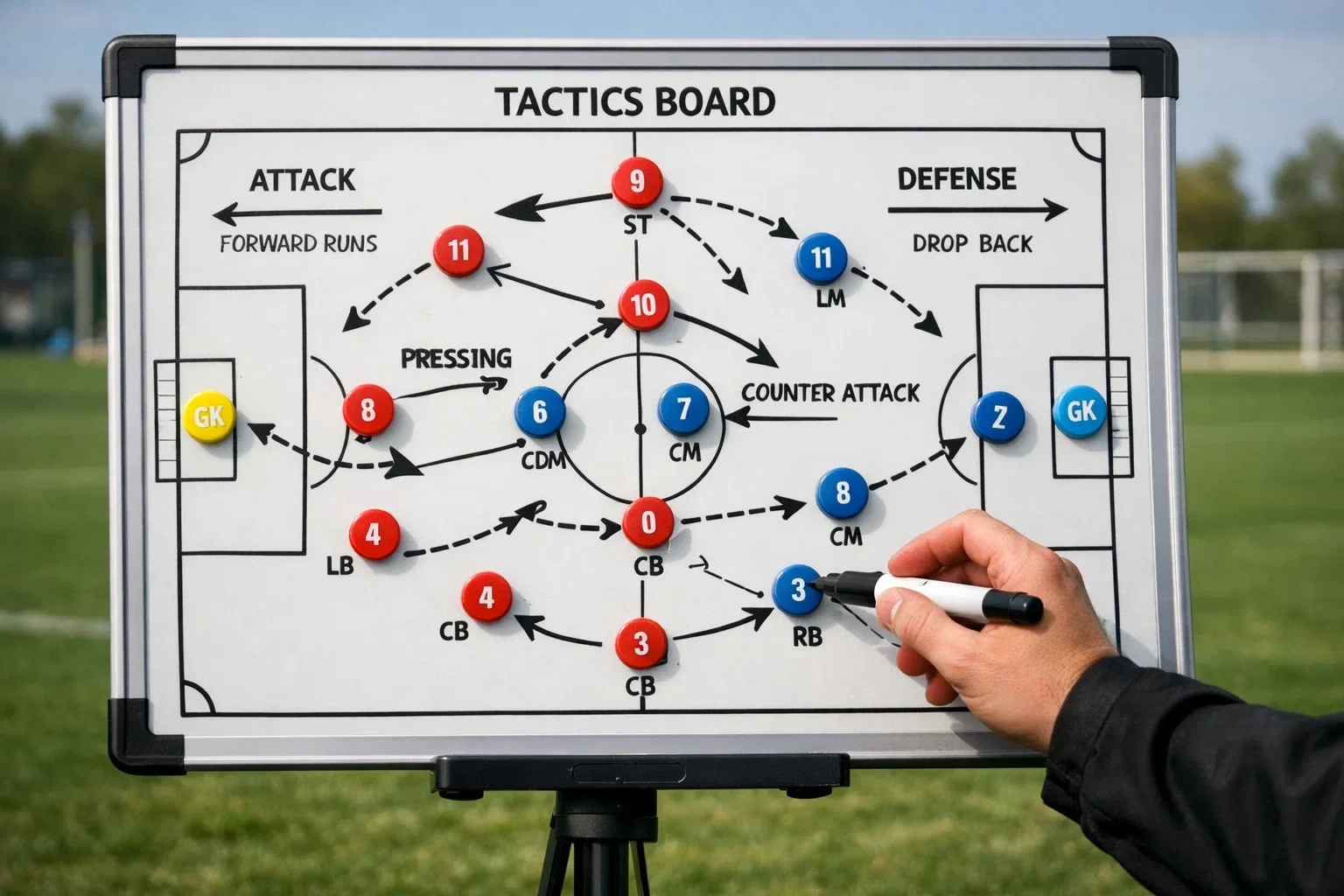
Goal totals emerge from the interaction of attacking quality, defensive solidity, tactical approaches, and match context. Understanding these factors helps you identify when over or under is more likely than the market suggests.
Attacking strength is the obvious starting point. Teams with clinical finishers, creative midfielders, and high shot volumes tend to produce goals. But raw attacking quality only tells half the story — you need to consider what they’re attacking against. Manchester City’s potent attack facing a relegation side’s porous defence is a different proposition than facing a compact, well-organised mid-table team.
Defensive quality caps potential scoring. Elite defensive units reduce expected goals for both themselves (through preventing opponent chances) and sometimes their own team (by playing conservatively). Matches between two defensively strong sides often disappoint overs backers despite involving quality teams.
Tactical approach matters enormously. Managers like Marcelo Bielsa create chaotic, open games regardless of personnel. Others prioritise solidity, accepting low-scoring contests as acceptable outcomes. A 1-0 specialist facing a similar counterpart almost certainly produces unders; two attacking managers create overs conditions.
Match context introduces situational factors. Cup matches with underdogs often produce fewer goals as weaker sides sit deep and defend. Derbies can go either way — sometimes cagey, sometimes explosive. Matches with nothing at stake (end-of-season dead rubbers) frequently see open, high-scoring affairs as intensity drops and defensive focus lapses.
Weather and pitch conditions affect goal scoring more than most bettors acknowledge. Heavy rain, strong wind, and poor pitch surfaces all suppress scoring by disrupting attacking play more than defending. Hot weather late in seasons can lead to tired legs and defensive lapses — potential overs triggers.
Using Expected Goals (xG) for Over/Under Analysis
Expected goals has revolutionised over/under betting by quantifying chance quality rather than just counting shots. A team generating 2.5 xG per match creates genuine high-quality opportunities; a team with 1.0 xG despite many shots is taking low-percentage attempts that rarely convert. This distinction matters hugely for predicting goal totals.
The basic application is straightforward: add both teams’ average xG for and against to estimate expected match totals. If Team A averages 1.8 xG for and 1.2 xG against, while Team B averages 1.4 xG for and 1.5 xG against, you might estimate around 2.9-3.2 total xG for the fixture — suggesting slight lean toward overs at 2.5, but not overwhelming.
Where xG becomes powerful is identifying teams whose actual goals deviate significantly from expected goals. A team scoring 1.2 goals per game but generating 1.9 xG is underperforming their chances — regression toward their xG is likely, making overs appealing even if recent scorelines suggest otherwise. Conversely, a team scoring 2.0 goals per game on 1.3 xG is overperforming through finishing luck or goalkeeper errors — expect regression toward fewer goals.
The same logic applies defensively. Teams conceding more than their xG against suggests poor goalkeeping or finishing luck for opponents that won’t persist. Teams conceding less than expected are getting fortunate saves or missed chances that will eventually convert. Adjusting your goal expectations toward xG rather than actual goals improves long-term accuracy.
Critically, xG smooths variance that actual goals cannot. A team losing 0-1 despite generating 2.8 xG isn’t suddenly a defensive side — they created excellent chances and were unlucky. Betting unders on their next match based on the 0-1 scoreline ignores the underlying reality xG reveals.
League-Specific Goal Patterns
Different leagues have distinct goal-scoring cultures that significantly affect over/under betting. Knowing these tendencies helps calibrate expectations and identify mispriced markets.
The Bundesliga consistently produces more goals than other top leagues, averaging around 3.0-3.3 goals per game. German football’s attacking philosophy, high pressing, and relative lack of cynical defending creates open matches. Over 2.5 hits approximately 55-60% of the time, making unders occasionally valuable when odds don’t reflect this tendency.
Serie A historically favoured low-scoring matches, though recent seasons have seen more goals. Italian tactical sophistication still produces tight contests, particularly between quality sides. Under 2.5 hits around 45-50%, making it a viable option when facing inflated overs prices.
The Premier League sits somewhere in the middle, averaging 2.7-2.9 goals per game. The league’s physical intensity and competitive balance create variance — some matches are goalfests, others are scrappy 1-0s. No systematic bias makes value identification more about specific fixture analysis than league tendencies.
Ligue 1 outside PSG matches tends toward lower scoring, with tactical conservatism and fewer elite attacking players. However, PSG’s dominance creates extreme overs in their fixtures, often producing 4-5+ goals against weaker opponents.
La Liga has evolved from its historic defensive reputation, now producing goals comparable to other top leagues. El Clasico and matches involving Barcelona, Real Madrid, and Atletico remain tactically intense with unpredictable totals.
Lower leagues generally produce fewer goals than top flights. Less technical quality means fewer chances created and converted, while physical intensity without technical precision leads to scrappy affairs. Adjust your baseline expectations downward for Championship, Serie B, and equivalent competitions.
Building a Goals Betting Strategy
Successful over/under betting requires systematic analysis rather than gut feelings about whether games “look like” goal fests. Here’s a framework for evaluating fixtures.
Step one: Establish baseline expectation. Look at each team’s average goals scored and conceded, ideally adjusted for home/away splits. A team scoring 1.8 and conceding 1.0 at home facing a team scoring 1.5 and conceding 1.3 away suggests roughly 3.1 total expected goals — baseline toward overs.
Step two: Adjust for xG. If actual goals diverge significantly from expected goals for either team, weight your analysis toward xG. Teams overperforming xG will regress; teams underperforming will improve. This adjustment often reveals value hidden by misleading recent scorelines.
Step three: Consider head-to-head history. Some fixture combinations consistently produce certain types of matches regardless of current form. Rivalry games, stylistic matchups, and historical patterns provide context actual stats miss.
Step four: Factor in team news. Key attacking absences (injured strikers, suspended playmakers) dramatically affect scoring potential. Defensive injuries matter less unless catastrophic — a backup centre-back replacing a starter rarely changes goal totals meaningfully.
Step five: Assess match context. Cup matches, must-win scenarios, dead rubbers, and fixture congestion all influence how teams approach games. A team resting players before a Champions League tie may concede more goals; a team desperate for points may play more cautiously.
Step six: Compare to odds. After forming your probability estimate, convert to implied odds. If you estimate 55% probability of over 2.5 and the market offers 2.00 (50% implied), you’ve found value. If the market offers 1.75 (57% implied), the market agrees with you but offers no edge.
Live Over/Under Betting Strategies

In-play goals betting offers opportunities unavailable pre-match. Watching how games unfold provides information about tempo, chance creation, and momentum that adjusts goal expectations in real time.
Scoreless first halves don’t automatically mean unders value. Check whether chances are being created — a 0-0 at halftime with high xG suggests goals are coming; a 0-0 with both teams struggling to create anything may stay low-scoring. Live xG data available on many platforms helps distinguish between these scenarios.
Early goals often trigger over betting surges that overprice overs. If a team scores in the 5th minute, bookmakers slash over 2.5 prices assuming goals will continue flowing. But one early goal doesn’t guarantee more — consider whether the match dynamics actually support additional scoring or whether the leading team will now protect their advantage.
Game state effects matter enormously. A team trailing by one goal opens up to chase the game, creating space for counterattacks and additional goals. A team leading by two often consolidates, reducing attacking intent and slowing the match pace. Adjust expectations based on how the current score influences tactical approaches.
Red cards typically reduce goal totals despite intuition suggesting otherwise. Ten-man teams defend deeper and create fewer chances; their opponents face more congested defences and often struggle to break through. Unless the red card comes with a penalty, consider unders when teams are reduced.
Risk Management in Goals Markets
Goals markets suit accumulator betting because the roughly 50/50 nature of 2.5 lines provides reasonable hit rates that parlays require. However, the correlation between matches in goals markets is lower than many bettors assume — a high-scoring Saturday afternoon doesn’t predict more goals in the evening fixtures.
Avoid overexposure to single leagues. If you load an accumulator with five Bundesliga overs, you’re essentially betting on German football being high-scoring that day. Any systematic factor (weather, fixture congestion, specific round dynamics) affects all legs simultaneously.
Consider alternative lines for value. Sometimes over 3.5 at 3.00 offers better expected value than over 2.5 at 1.80, even though it hits less often. Running the numbers on expected value rather than just probability reveals these opportunities.
Track your results by line type. You might excel at identifying over 2.5 opportunities but consistently lose on under 1.5 bets. This performance data reveals where your analytical edge actually lies and where you should avoid betting.
Goals betting rewards patience and selectivity. Not every match offers value — many are priced efficiently. Waiting for fixtures where your analysis strongly diverges from market pricing produces better long-term results than forcing action on every available game.
